
Chipped Tooth West Linn, OR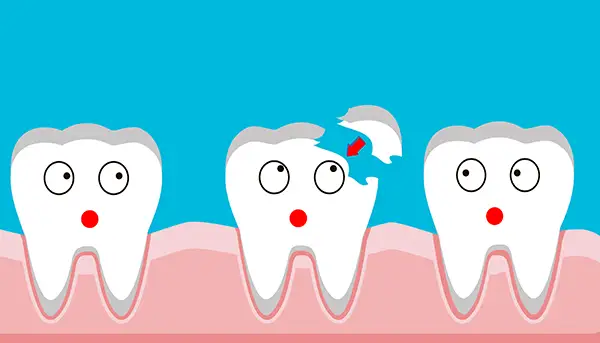 A chipped tooth might seem like a minor inconvenience at first, but how you respond in the hours and days that follow can make a significant difference in your long-term oral health. Whether the chip happened during a meal, a fall, or a sports collision, understanding what caused it, what it means for your tooth, and what your dentist can do about it will help you make confident decisions about your care. Roane Family Dental is here to guide you through every step. A chipped tooth might seem like a minor inconvenience at first, but how you respond in the hours and days that follow can make a significant difference in your long-term oral health. Whether the chip happened during a meal, a fall, or a sports collision, understanding what caused it, what it means for your tooth, and what your dentist can do about it will help you make confident decisions about your care. Roane Family Dental is here to guide you through every step.How Teeth Get ChippedTooth enamel is the hardest substance in the human body, but that doesn't mean it's indestructible. Teeth chip for a wide variety of reasons, and some are more common than you might expect. Biting into hard foods is one of the leading causes. Ice, hard candies, popcorn kernels, and even crusty bread can exert enough force to fracture a tooth, particularly if that tooth already has a filling, existing crack, or some degree of enamel erosion. Falls and facial trauma are another frequent culprit, especially for children and active adults. Sports without proper mouthguard protection also put teeth at risk. Teeth grinding, or bruxism, creates a different kind of damage. The consistent pressure of clenching and grinding gradually weakens enamel over time, making chips more likely. Acid erosion from acidic foods, beverages, or conditions like acid reflux thins enamel in a similar way, leaving the surface more fragile and susceptible to breaking. Age also plays a role. As teeth undergo decades of use, the enamel naturally weakens and becomes more prone to fracture. Older fillings can also create stress points in the surrounding tooth structure that increase the likelihood of chipping. Why a Chipped Tooth Deserves Prompt AttentionEven a small chip should be evaluated by a dentist. Here's why: the outer enamel layer protects the dentin beneath it, and dentin contains microscopic channels that connect to the nerve at the center of the tooth. When enamel is missing, these channels are exposed, which is why many patients with chipped teeth notice sudden sensitivity to temperature, pressure, or sweet foods. Beyond sensitivity, a chipped edge can become a stress point for further cracking. What starts as a minor cosmetic chip can, if left untreated, develop into a deeper fracture that reaches the root or pulp. At that stage, the treatment required becomes significantly more involved, often requiring a root canal or even extraction. Addressing the chip early protects both the tooth and your overall treatment timeline. Chips can also affect gum tissue. A jagged edge along the gumline can irritate or cut soft tissue, creating chronic inflammation or discomfort that affects daily function. Treatment Options for Chipped TeethThe right treatment depends on the size and location of the chip, the condition of the surrounding tooth, and whether the nerve is involved. Your dentist will assess the tooth thoroughly, often with x-rays, before recommending a path forward. Dental BondingDental bonding is one of the most common and conservative solutions. A tooth-colored composite resin is applied to the chipped area, shaped to match the natural contour of your tooth, and hardened with a curing light. Bonding can typically be completed in a single appointment and requires no removal of healthy tooth structure. Dental VeneersDental veneers are a strong option when the chip affects the visible front surface of a tooth. A thin porcelain shell is custom-crafted and bonded to the front of the tooth, restoring both its appearance and structural integrity. Veneers are particularly effective for chips on front teeth where appearance matters most. Dental CrownsDental crowns are recommended when the chip is large, when significant tooth structure has been lost, or when the tooth is at risk of further fracture. A crown covers and protects the entire visible portion of the tooth, distributing chewing forces evenly and preventing additional damage. Root Canal TherapyRoot canal therapy may be necessary if the chip has exposed or damaged the pulp inside the tooth. If the nerve is affected, removing the infected or inflamed tissue protects the tooth from abscess and allows it to be restored with a crown afterward. What to Do Before You See the DentistIf you chip a tooth, contact Roane Family Dental as soon as possible to schedule an evaluation. In the meantime, there are a few practical steps that can help. Rinse your mouth gently with warm water to clean the area. If there is any bleeding, apply light pressure with clean gauze. Avoid chewing on the side of the mouth where the chip occurred, and stick to softer foods that won't stress the area further. Over-the-counter pain relievers can help manage discomfort in the short term. If the chip has left a sharp edge that irritates your tongue or cheek, dental wax available at most pharmacies can offer temporary protection until your appointment. Preventing Future ChipsOnce your tooth has been treated, there are steps you can take to reduce the likelihood of future chips. Wearing a custom mouthguard during contact sports provides a significant layer of protection. If you grind your teeth at night, ask your dentist about a nightguard, which absorbs the force of clenching before it reaches your enamel. Avoid habits like chewing ice, opening packaging with your teeth, or biting your fingernails. These repetitive small forces accumulate over time and weaken enamel well before a visible chip appears. Staying current with regular dental visits also matters. Routine exams allow your dentist to catch early signs of enamel wear, existing cracks, or grinding damage before they progress to a chip or fracture. Schedule Your Evaluation at Roane Family DentalA chipped tooth doesn't have to lead to bigger problems. With timely care, most chips can be treated quickly and with excellent results. The team at Roane Family Dental is ready to evaluate your tooth, explain your options, and help you move forward with a treatment plan that fits your needs. Call us today at (503) 657-1215 to schedule your appointment. |
 |
